Must-Have Features for Auto Dealer Software

The modern automotive dealership is a complex, high-octane ecosystem. It’s no longer just about a firm handshake and a shiny car on the lot. Today’s dealership is a multi-faceted business juggling new car sales, used vehicle operations, a bustling service department, complex financing, and a sophisticated digital marketing strategy. Managing these interconnected parts with spreadsheets and outdated software is like trying to win a Grand Prix in a horse-drawn carriage. It’s inefficient, prone to errors, and ultimately, a path to being lapped by the competition. The key to navigating this complexity and driving profitability lies in leveraging a powerful, integrated suite of software solutions. This is the dealership’s central nervous system, a digital backbone that connects every department, streamlines every process, and provides the critical data needed to make intelligent business decisions. In this comprehensive guide, we will break down the essential software tools and must-have features that support every facet of a dealership, from the showroom floor to the service bay, covering the unique needs of both new and used car operations. We’ll explore how the right technology can transform your dealership from a collection of siloed departments into a single, cohesive, and highly efficient profit-generating machine.
The Central Nervous System: Your Dealership Management System (DMS)
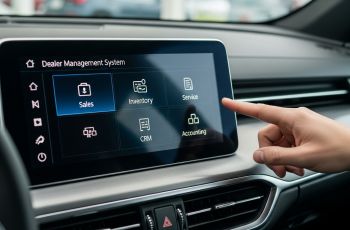
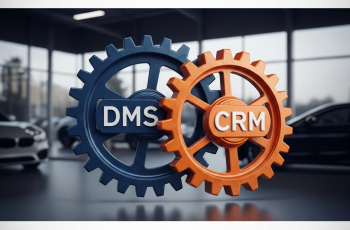
At the very heart of any modern dealership’s technology stack is the Dealership Management System, or DMS. Think of the DMS as the foundational operating system for your entire business. It’s the central hub where data from every department—sales, F&I, service, parts, and accounting—converges. Its primary role is to create a single source of truth, eliminating data silos and ensuring that every team member is working with the most up-to-date information. A generic accounting or business management software simply cannot handle the unique, intricate workflows of a car dealership. A true automotive DMS is built from the ground up to manage everything from creating a deal jacket to processing a repair order and managing parts inventory.
When evaluating a DMS, integration is the most critical feature. Your DMS must seamlessly connect with all your other tools. For instance, when a deal is finalized in the sales department, the information should flow automatically to the F&I office and then to the accounting module without manual re-entry, which is a major source of costly errors. This integration is vital for both new and used car operations. For new cars, the DMS must handle complex factory invoicing, incentives, and rebates. For used cars, it needs to track reconditioning costs against a specific vehicle stock number, providing a clear picture of the true cost and potential profit on that unit. Key features to look for in a modern DMS include:
- Integrated Accounting: A general ledger specifically designed for dealership operations, capable of handling vehicle sales, parts, service, and payroll.
- Deal Desking & F&I: Tools to structure car deals, calculate payments, and manage the financing and insurance process, including electronic submission to lenders.
- Parts Management: Features for inventory control, parts ordering from manufacturers, and integration with the service department’s workflow.
- Service and Repair Order Management: The ability to write repair orders, track technician time, and manage the entire service process from appointment to final invoice.
Choosing the right DMS is the single most important technology decision a dealer will make. It’s the foundation upon which all other systems are built, and its capabilities will either enable or limit your dealership’s potential for growth and efficiency.
Acquiring and Retaining Customers: The Automotive CRM
If the DMS is the dealership’s brain, the Customer Relationship Management (CRM) system is its heart, responsible for managing the lifeblood of the business: its customers. In today’s market, where a customer might interact with your dealership through your website, a third-party listing site, a phone call, or a walk-in, a specialized automotive CRM is non-negotiable. A generic CRM like Salesforce or HubSpot, while powerful in other industries, lacks the specific workflows needed for auto sales. An automotive CRM understands that a “lead” isn’t just a name and email; it’s a potential buyer interested in a specific VIN, a particular model, or a trade-in appraisal.
The primary function of the CRM is to capture every single lead from every source and provide the sales team with a structured process for follow-up. This prevents leads from falling through the cracks, a common and expensive problem. Must-have features include robust lead management that can automatically parse and route leads from your website, OEM portals, and sites like Autotrader. It should also enable seamless logging of phone calls and walk-in traffic. Beyond simple capture, the CRM must empower your team with sophisticated follow-up tools. This includes creating automated, multi-channel communication plans (email, text, and phone call reminders) that ensure consistent and timely contact with every prospect. This is where the needs of new and used operations can diverge slightly. For new car sales, the CRM might track interest in upcoming models and manage factory-sent leads. For used cars, it’s critical for following up with customers who received a trade-in appraisal but didn’t buy, or those who showed interest in a specific used vehicle that has since had a price drop.
A powerful automotive CRM provides a 360-degree view of the customer, logging every email opened, every text message sent, and every conversation had. This history is invaluable, allowing any salesperson to pick up a conversation where another left off, providing a seamless customer experience. It’s the tool that turns one-time buyers into repeat customers and service clients into future car buyers.
Mastering the Lot: Advanced Inventory Management
Your inventory is your largest asset, and managing it effectively is the difference between a profitable month and a disastrous one. Modern inventory management software goes far beyond a simple list of cars on the lot. It is a strategic tool for acquiring, pricing, merchandising, and selling vehicles. The needs for new and used car inventory management are distinct, yet deeply connected within a single, powerful software solution.
Key Features for Used Car Operations
For used car departments, the process starts with acquisition. A top-tier inventory tool must include a robust vehicle appraisal feature. This isn’t just about looking up a book value. It involves:
- VIN Scanner/Decoder: Instantly pulls all factory-installed options and vehicle specifications using a smartphone camera.
- Market Pricing Data: Integrates with live market data from sources like vAuto, Manheim Market Report (MMR), or Kelley Blue Book, showing you what similar cars are selling for in your specific market, right down to the zip code. This allows you to make an informed, data-backed offer on a trade-in.
- Reconditioning Tracking: Once acquired, the software must track the vehicle through the reconditioning process. It should log every cost, from a new set of tires to dent repair, adding these expenses to the vehicle’s “true cost” so you can price it for a specific profit margin.
- Photo Management and Syndication: The software should make it easy to upload high-quality photos and videos for each vehicle and then, with a single click, syndicate the vehicle listing—complete with photos, descriptions, and pricing—to your dealership website and dozens of third-party marketplaces like Cargurus, Cars.com, and Autotrader.
Key Features for New Car Operations
While new cars don’t require appraisal tools, their management presents unique challenges. The software must be able to accurately decode complex model numbers and trim packages from factory invoices. It needs to manage incoming inventory from the manufacturer, providing visibility on what’s in transit. Crucially, it should also facilitate dealer trades, allowing your sales manager to quickly search the inventory of other nearby dealers to find the exact color and trim package a customer wants, saving a potential sale.
Embracing the Future: Digital Retailing Solutions
The modern car-buying journey almost always begins online. Customers today expect more than just a gallery of photos and a price. They want to engage with the deal on their own terms, from the comfort of their home. This is where digital retailing software comes in, bridging the gap between your online presence and your physical showroom. This is not just a simple “contact us” form; it’s an interactive suite of tools that allows customers to move themselves down the sales funnel before they ever set foot in the dealership.
An effective digital retailing platform integrates directly with your website and your inventory. It empowers customers with tools that build trust and transparency, streamlining the in-store process significantly. Essential features include:
- Online Payment Calculators: These must be sophisticated enough to factor in local taxes, dealership fees, and potential interest rates to provide a realistic monthly payment estimate.
- Trade-In Appraisal Tools: Allows customers to submit their vehicle information (including photos of its condition) to receive a firm or estimated trade-in offer, subject to final inspection.
- Online Credit Applications: A secure portal for customers to apply for financing directly, often leading to a pre-approval which gives them immense confidence to buy.
- Deal Structuring: The most advanced tools allow customers to build their own deal, adjusting the down payment, loan term, and even adding F&I products like extended warranties to see how it impacts their monthly payment.
When a customer uses these tools and then schedules an appointment, they don’t arrive as a cold lead. They arrive as a highly qualified, well-informed buyer who has already done most of the preliminary work. Your salesperson can then focus on the test drive and finalizing the paperwork, dramatically reducing the time spent in the dealership and creating a much better customer experience.
The Profit Center: Fixed Ops and Service Department Software
While the sales department often gets the spotlight, savvy dealers know that the service department, or fixed operations, is the consistent profit engine of the dealership. It’s also the most powerful tool for customer retention. A customer who has a positive service experience is exponentially more likely to buy their next car from you. Modernizing the service lane with dedicated software is therefore a critical investment.
The goal of service software is to improve both efficiency and the customer experience. This starts with convenience. An online appointment scheduling tool that integrates with your website and DMS is a must. When the customer arrives, the process should be digital. Instead of a paper checklist, service advisors should use a tablet-based system. A key feature here is the digital multi-point inspection (MPI). Technicians can use a tablet to go through the inspection checklist, and crucially, they can take photos or short videos of any identified issues, like worn brake pads or a cracked belt. These visuals are then texted or emailed directly to the customer for approval. This transparency builds immense trust and dramatically increases the approval rate for upsell work. Other essential features include workflow management to track a car’s progress through the shop, integration with the parts department for seamless ordering, and automated communication to keep the customer updated on their vehicle’s status. This technology transforms the service lane from a potential point of friction into a streamlined, trust-building, and highly profitable part of your business.
Turning Data into Dollars: Analytics and Reporting Tools
In the competitive world of auto retail, gut feelings are no longer enough to guide a multi-million dollar business. Every software system discussed—the DMS, CRM, Inventory, and Service tools—generates a massive amount of data every single day. The final, crucial piece of the puzzle is a powerful analytics and reporting platform that can consolidate this data and present it in a clear, actionable format. This tool allows owners and managers to get a real-time pulse on the health of their entire operation and make strategic decisions based on facts, not assumptions.
A comprehensive reporting tool should provide customizable dashboards for every department. The general manager might want a high-level overview of total sales, gross profit, and service revenue. The used car manager, however, needs to see an inventory aging report to identify vehicles that have been on the lot for too long and may require a price adjustment. The sales manager needs to track individual salesperson performance, closing ratios, and lead source effectiveness to see which marketing channels are providing the best return on investment (ROI). For the service department, key metrics include technician efficiency, effective labor rate, and parts-to-labor ratio. By analyzing this data, you can answer critical business questions: Are we pricing our used cars correctly for our market? Which of our digital advertising campaigns is actually generating sales? Which salesperson needs additional training on their follow-up process? Which service advisor is most effective at selling needed repairs? Without a robust reporting tool, you are flying blind. With one, you can fine-tune every aspect of your dealership for maximum performance and profitability.
Conclusion: Building an Integrated Technology Ecosystem
Running a successful car dealership in the 21st century requires more than just great cars and a talented team; it requires a sophisticated and seamlessly integrated technology stack. As we’ve explored, the core components—a robust DMS, a specialized automotive CRM, an advanced inventory management system, modern digital retailing tools, efficient service department software, and insightful analytics—are not just individual luxuries but interconnected necessities. The true power is unlocked when these systems communicate with each other, creating a smooth flow of data from the first online click to the long-term service relationship. A lead captured by the CRM should flow into the DMS when a sale is made. The details of that sold vehicle, whether new or used, should originate from the inventory management tool. The customer’s information should then be available to the service department to facilitate future appointments. Finally, the data from all these interactions must feed into a reporting system that provides a holistic view of the business. Choosing the right software partners and ensuring they work in harmony is the ultimate key to streamlining operations, enhancing the customer experience, empowering your employees, and driving sustainable profitability in an ever-evolving automotive landscape. It is an investment not just in technology, but in the future success and resilience of your dealership.