2026 Dealership Guide to EVs, Digital Trends, and Buyers
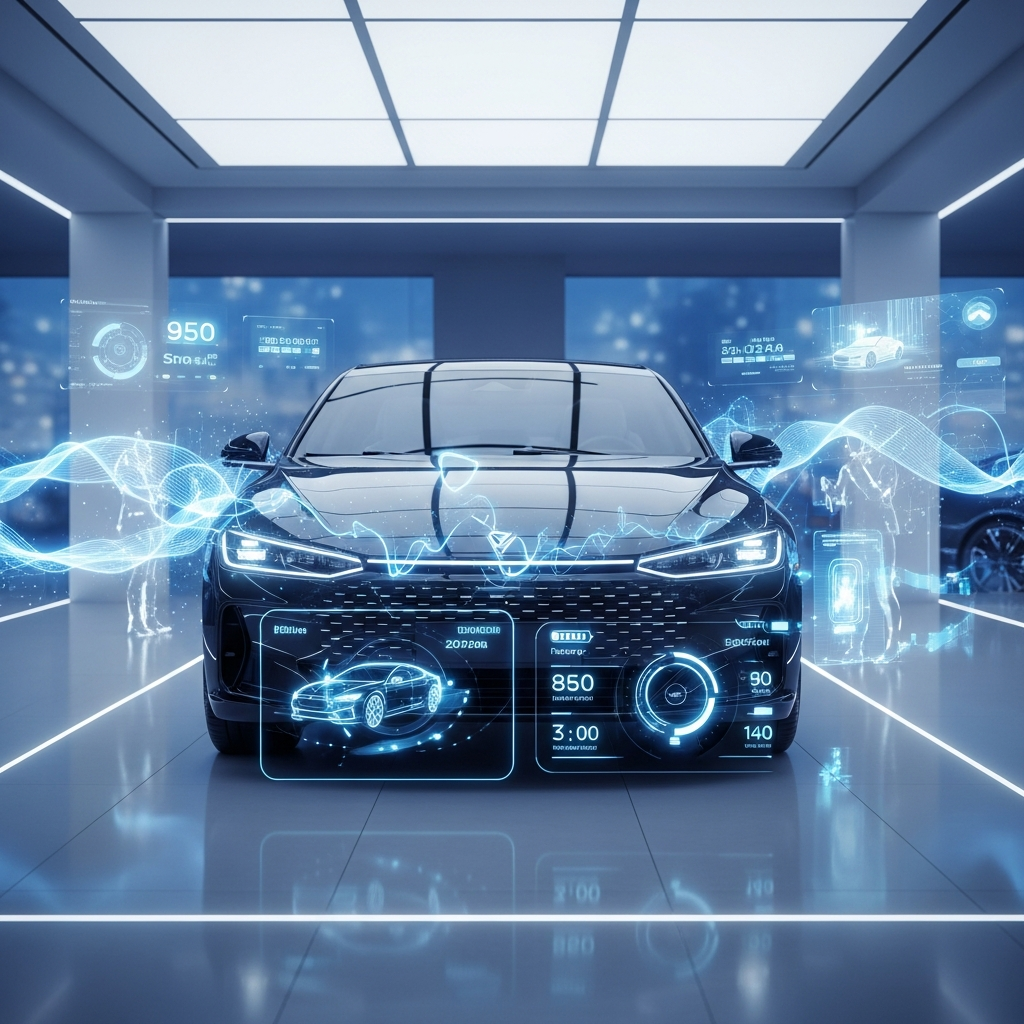
The year is 2026. The faint, futuristic hum of electric vehicles is now a familiar sound on our streets, often outnumbering the traditional rumble of internal combustion engines. The car buying process, once a day-long, often stressful ordeal, has transformed into a streamlined, personalized, and predominantly digital experience. For auto dealerships, this new era isn’t a distant concept on the horizon; it is the present reality. The seismic shifts driven by technology, evolving regulations, and a complete reimagining of consumer expectations have reshaped the automotive landscape. Dealerships that cling to the models of the past risk becoming relics, while those that embrace change are poised to thrive in unprecedented ways. This guide is designed for the forward-thinking dealership owners, general managers, and team members who are ready to navigate this dynamic environment. We will dive deep into the critical digital trends that are redefining the showroom, the complex web of regulations that demand compliance and transparency, and the profound shifts in consumer behavior that are setting the new standards for success. This is your roadmap to not just surviving, but leading the charge in the automotive industry of 2026 and beyond.
The Digital-First Showroom: Redefining the Customer Journey
The concept of a “showroom” has fundamentally expanded beyond the four walls of a physical dealership. In 2026, the primary showroom is digital, and the customer journey begins long before they ever consider stepping onto the lot. Success now depends on creating a seamless, engaging, and consistent experience across all online and offline channels.
The Omnichannel Imperative
An omnichannel approach is no longer a buzzword; it’s a baseline expectation. It means creating a unified customer experience where the transition from online research to in-person interaction is frictionless. Imagine this scenario:
- A customer configures their ideal electric SUV on your website, saving the build.
- They then use a chat feature to ask a question about charging times, and the conversation is saved to their profile.
- They schedule a test drive online. When they arrive at the dealership, the product specialist already has their configured vehicle ready, is aware of their previous questions, and can continue the conversation without asking the customer to repeat themselves.
- After the test drive, they can complete most of the credit application and trade-in appraisal from their phone or a dealership tablet, finalizing the deal with minimal time spent waiting in an F&I office.
This is the power of an omnichannel strategy. It respects the customer’s time, leverages data to create a personalized experience, and integrates digital tools not as separate silos, but as interconnected parts of a single customer journey.
Immersive Experiences with VR and AR
Static photo galleries and 360-degree interior views are now standard. Leading dealerships are using Virtual Reality (VR) and Augmented Reality (AR) to bring the vehicle to the customer, wherever they are. AR applications allow a potential buyer to use their smartphone to place a true-to-scale virtual model of a car in their own driveway. They can walk around it, change its color, and peek inside, giving them a powerful sense of ownership. VR offers even more immersive possibilities, such as virtual test drives on scenic roads or detailed explorations of a vehicle’s engineering and safety features. While developing a custom VR experience can be a significant investment, partnering with manufacturers or third-party tech companies can make this cutting-edge technology accessible, setting your dealership apart as an innovator.
Data as the New Horsepower: Leveraging Analytics for Success
In the 2026 dealership, data is as critical as the vehicles on the lot. The ability to collect, analyze, and act upon data is what separates the most profitable and efficient operations from the rest. It’s about making smarter, more informed decisions in every department, from inventory and marketing to sales and service.
Predictive Analytics for Intelligent Inventory
The days of relying on gut feelings and past sales reports to order inventory are over. Modern dealerships use predictive analytics to optimize their stock. By analyzing vast datasets—including regional sales trends, online search data, demographic information, and even economic indicators—dealerships can forecast with incredible accuracy which models, trims, and colors will be in high demand. This data-driven approach leads to:
- Reduced Flooring Costs: Minimizing the time vehicles sit on the lot saves significant money.
- Increased Turn Rate: Stocking the cars people actually want means they sell faster.
- Improved Profit Margins: Less need for heavy incentives or discounts on aged inventory.
Integrated with a robust Dealer Management System (DMS), these analytics platforms can automate ordering recommendations, ensuring your inventory is always aligned with market demand.
Mapping the Customer Lifecycle
Understanding your customer is key to earning their loyalty. Customer Data Platforms (CDPs) have become essential tools for creating a 360-degree view of each individual. A CDP consolidates data from all touchpoints—website visits, service appointments, email interactions, in-person conversations—into a single, unified profile. This allows you to map the entire customer lifecycle and engage with them at precisely the right moment with the right message. For example, data might indicate a lease is ending in six months, triggering an automated but personalized email campaign showcasing new models. Or, service history might suggest a customer with an aging vehicle is a prime candidate for a trade-in offer. This level of personalization builds relationships and transforms one-time buyers into lifelong customers.
The EV Revolution and the Service Bay of the Future
The widespread adoption of Electric Vehicles (EVs) represents the most significant operational shift for dealerships since the invention of the automobile itself. This is most profoundly felt in the service department, which must evolve from a place of oil changes and engine repairs to a high-tech center for battery diagnostics and software management.
Retooling and Retraining for an Electric Future
Servicing EVs requires a completely different set of skills and equipment. Dealerships must invest heavily in both. This includes:
- Specialized Equipment: High-voltage battery diagnostic tools, specialized lifts capable of handling the heavy battery packs, and dedicated charging infrastructure within the service bay.
- Technician Training: Technicians need comprehensive training and certification to work safely with high-voltage systems. This isn’t a one-time course; it requires ongoing education as battery technology and vehicle software evolve.
- New Service Offerings: Traditional revenue streams like oil changes will disappear. Dealerships must develop new service packages focused on battery health checks, tire rotations (EVs are heavier and can cause more tire wear), brake system maintenance (due to regenerative braking), and coolant system checks for the battery.
This transformation is an investment, but it’s also a massive opportunity. Dealerships that become known as trusted EV service experts will capture a loyal and growing customer base.
The Rise of the Software-Defined Vehicle
Modern vehicles are increasingly defined by their software. Over-the-Air (OTA) updates, once a feature of smartphones, are now common in cars, allowing manufacturers to fix bugs, improve performance, and even add new features remotely. This creates new revenue streams for dealerships. While many OTA updates will be free, others will be part of subscription packages or one-time purchases for premium features (e.g., enhanced autonomous driving capabilities, performance boosts). Dealerships can play a crucial role in educating customers about these features, facilitating the subscriptions, and handling any necessary in-person software or hardware integrations, creating a continuous revenue relationship with the customer long after the initial sale.
Navigating the Shifting Sands of Automotive Regulation
The regulatory environment for auto dealers has become increasingly complex. A focus on consumer protection, data privacy, and environmental standards requires dealerships to be more transparent, secure, and forward-thinking than ever before. Proactive compliance is not just about avoiding fines; it’s about building trust with your customers.
Transparency in Pricing: The FTC CARS Rule and Beyond
Regulations like the Federal Trade Commission’s (FTC) CARS Rule have solidified consumer demand for upfront, honest pricing. The days of hidden fees and confusing pricing structures are numbered. By 2026, successful dealerships have fully embraced this reality. Their websites clearly list the all-in price of a vehicle, including all non-governmental fees. Any add-ons or optional products are presented with clear pricing and without pressure. This shift requires a change in process, particularly in the F&I office, moving from a high-pressure sales environment to a consultative one where a menu of options is presented clearly and transparently. While it may seem counterintuitive to some, this transparency actually builds immense trust, shortens the sales cycle, and improves customer satisfaction, leading to better reviews and more repeat business.
Data Privacy and Cybersecurity Mandates
As dealerships become more data-driven, they also become more significant targets for cyberattacks. Protecting sensitive customer information—from financial data in a credit application to personal information collected by a connected car—is a legal and ethical obligation. Regulations akin to Europe’s GDPR and California’s CCPA are becoming the national standard, mandating strict protocols for how customer data is collected, stored, and used. Dealerships must invest in robust cybersecurity measures, including regular employee training, secure networks, and incident response plans. A data breach is not only financially devastating but can irreparably damage a dealership’s reputation.
The Evolving Consumer: Meeting the Demands of the 2026 Car Buyer
The person buying a car in 2026 has different expectations, values, and research habits than the buyer of a decade ago. They are digitally savvy, information-rich, and value experience and authenticity over traditional salesmanship. Understanding and adapting to these new consumer behaviors is paramount.
The Demand for an Authentic, Trust-Based Relationship
Today’s car buyer arrives at the dealership having already done extensive research. They’ve read reviews, compared prices, and watched video test drives. They are not looking for a salesperson to give them a pitch; they are looking for a trusted advisor to validate their research and facilitate a smooth transaction. High-pressure tactics, hiding the “manager” in the back room, and prolonged negotiations are immediate red flags for this consumer. They value a process that is:
- Respectful of their time: Acknowledge the research they’ve done and make the in-person experience efficient and value-added.
- Transparent: Be upfront about pricing, trade-in values, and financing options.
- Low-pressure: Create a consultative environment where the customer feels in control of their decision.
Building a culture of trust is the most effective long-term marketing strategy a dealership can have.
Subscription and Flexible Ownership Models
While traditional ownership remains the norm, a growing segment of the population, particularly in urban areas, is interested in more flexible access to mobility. This has given rise to vehicle subscription services. Dealerships are uniquely positioned to capitalize on this trend. They can manage and maintain a fleet of vehicles for a subscription program, offering customers the ability to swap between an SUV for a family trip and a smaller EV for their daily commute. This creates a recurring revenue stream and introduces new customers to the dealership’s brand and service experience, potentially converting them to traditional buyers in the future.
The Dealership Workforce of Tomorrow: Skills, Training, and Culture
The profound changes in technology, vehicles, and consumer behavior necessitate a corresponding evolution in the dealership’s most valuable asset: its people. The roles, skills, and overall culture of the dealership must be re-engineered for the modern era.
From Salesperson to Product Specialist
The traditional role of the car salesperson is evolving into that of a “Product Specialist” or “Customer Advocate.” With pricing transparency becoming the norm, the focus shifts from negotiation to education. These specialists need deep, technical knowledge of the products they represent. They must be able to explain the nuances of different EV battery architectures, demonstrate complex infotainment and driver-assist features, and consult on home charging solutions. Their compensation models are also shifting, moving away from pure commission to structures that reward customer satisfaction, product knowledge, and long-term relationship building. This creates a team of consultants who are genuinely focused on finding the right solution for the customer, not just on closing a deal.
Fostering a Culture of Continuous Learning
The pace of change in the automotive industry is relentless. To keep up, dealerships must build a culture of continuous learning. This means investing in ongoing training not just for technicians working on EVs, but for every employee.
- Sales staff need regular training on new vehicle technologies and digital sales tools.
- F&I managers need to stay current on evolving compliance and regulations.
- Service advisors need to be able to communicate complex technical information about EVs to customers clearly.
- Leadership needs to understand data analytics to make strategic decisions.
A commitment to professional development empowers employees, improves performance, and signals to both staff and customers that the dealership is dedicated to excellence and staying ahead of the curve.
Conclusion: Driving into a Prosperous Future
The road to 2026 for the automotive dealership industry is one of profound transformation, not obsolescence. The challenges presented by direct-to-consumer sales models, digital disruption, and new regulations are significant, but they are eclipsed by the opportunities they create for forward-thinking dealers. The successful dealership of 2026 will be a sophisticated hybrid: part tech company, part customer experience center, and part community hub. Its foundation will be built on a seamless omnichannel customer journey, where digital and physical experiences merge flawlessly. It will be powered by data, using analytics to make intelligent decisions about everything from inventory to customer relationships. Its service bays will be state-of-the-art facilities, ready to maintain the electric and software-defined vehicles of the modern era. Above all, it will be an organization built on a culture of trust, transparency, and continuous learning. The dealerships that not only survive but thrive will be those that see themselves not just as places that sell cars, but as indispensable partners in their customers’ mobility journey. The time for incremental change is over. The moment to accelerate this evolution, to invest in technology, people, and processes, is now. By embracing this new reality, dealerships can secure their position in the driver’s seat for many years to come.