Flashing Car Lock Symbol? What It Means and How to Fix
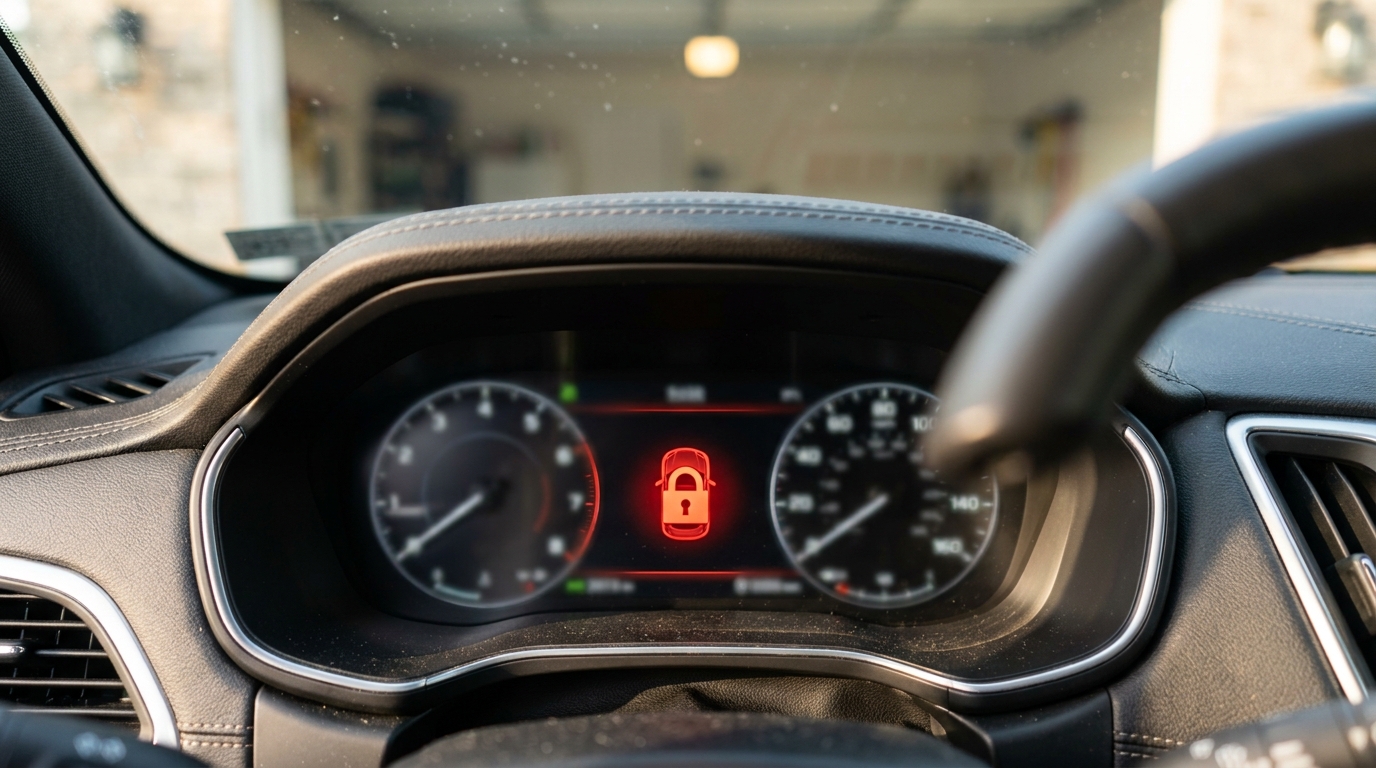
There are few things more stressful than turning the key in your ignition and being met with a non-responsive engine and a mysterious, blinking light on your dashboard. Your heart sinks a little. You try again, and the same thing happens. Staring back at you is a little icon—a car with a padlock or a key inside it. What does it mean? Is your car broken? Is it a simple fix or a sign of an expensive trip to the dealership? This little light, often overlooked until it demands your attention, is the security indicator light, and it’s your car’s way of telling you about its anti-theft and immobilizer system. Understanding its signals is the key to a quick diagnosis and, hopefully, a simple solution.
This comprehensive guide is designed to be your go-to resource for demystifying the car lock symbol. We will dive deep into what this light is, how the sophisticated system behind it works to protect your vehicle, and how to tell the difference between a normal operational signal and a genuine cry for help. We’ll walk you through a series of easy, do-it-yourself troubleshooting steps that could save you time, money, and the hassle of a tow truck. Finally, we’ll explain when it’s time to call in the professionals and how to choose the right one, seamlessly guiding you from the confusion of a dashboard warning light to the confidence of a clear, actionable solution. Don’t let that blinking light intimidate you; let’s decode its message together.
What Exactly Is the Car Lock Symbol?
First, let’s properly identify the light in question. While its appearance can vary slightly between vehicle manufacturers, the car lock symbol typically looks like one of two things: a silhouette of a car with a large padlock superimposed over it, or a car silhouette with a key symbol inside of it. This indicator light is almost always red or orange/yellow, colors universally used in vehicles to signify a warning or an alert that requires your attention. It’s important not to confuse it with your “door ajar” light or the main “check engine” light, which signals entirely different issues.
This icon is officially known as the Security Indicator Light. Its sole purpose is to communicate the status of your vehicle’s anti-theft system, most notably the engine immobilizer. Think of it as the public face of a very complex security system working behind the scenes to protect your car from being stolen. When this system is working correctly, the light provides you with simple, at-a-glance information. When something goes wrong, its behavior changes to alert you to a problem that is preventing your car from starting. Understanding this light is the first step in diagnosing a no-start situation that isn’t related to a dead battery or a faulty starter.
The Technology Behind the Light: Your Car’s Immobilizer System
To truly understand why the security light is on, you need to understand the system it represents. Since the 1990s, most vehicles have been equipped with an engine immobilizer, a powerful electronic security feature that has drastically reduced car theft rates worldwide. This system is designed to prevent the engine from starting unless it recognizes the vehicle’s authorized key.
Here’s a step-by-step breakdown of how it works:
- The Transponder Key: Your car key is more than just a piece of metal cut to fit your ignition. Embedded within the plastic head of your key fob is a tiny microchip called a transponder. This chip contains a unique, alphanumeric security code that is programmed to match your specific vehicle. It’s a digital handshake.
- The Antenna Coil: Surrounding the ignition cylinder where you insert your key is a small ring or coil. This acts as an antenna. When you turn the key, this coil sends out a low-frequency radio signal that energizes the transponder chip in your key.
- The Signal Exchange: Once powered up, the transponder chip broadcasts its unique security code back to the antenna coil. The coil receives this code and sends it to the car’s computer.
- Verification by the ECU: The code is received by either the Engine Control Unit (ECU) or a dedicated immobilizer control module. This computer has the matching security code stored in its memory. It compares the code from the key with the code it has on file.
- The Green Light (or Red Light): If the codes match perfectly, the immobilizer system deactivates. It sends a signal to the ECU, giving the “all clear” to enable the fuel injection and ignition systems. Your car will then start and run as normal. If the code is incorrect, missing, or unreadable, the immobilizer remains active. It tells the ECU to “immobilize” the engine by cutting power to the fuel pump and ignition coils. The engine will crank but will not start, and the security light will begin flashing or stay on to alert you to the problem.
This brilliant system makes old-school hot-wiring techniques completely useless. A thief can’t simply break the ignition and twist wires together; without that correct digital handshake from the key, the car is nothing more than a heavy metal box.
Decoding the Signals: Normal Operation vs. a Real Problem
The security indicator light isn’t always a sign of trouble. In fact, most of the time you see it, it’s telling you that everything is working perfectly. The key is to understand the context—when the light is on and how it’s behaving.
Normal Behavior (Don’t Worry!)
- A Slow, Steady Flash When the Car is Off: This is the most common and completely normal state. When you turn off your car, remove the key, and lock the doors, you’ll see the car lock symbol begin to flash slowly and rhythmically, perhaps once every few seconds. This is the system’s way of saying, “I am armed and on duty.” It’s a visual deterrent, signaling to any potential thieves that the vehicle is protected by an active immobilizer.
- Solid for a Few Seconds, Then Off: When you first get in your car and turn the key to the “ON” or “ACC” position (before cranking the engine), it’s normal for the security light to illuminate and stay solid for about 3-5 seconds. This is part of the car’s self-check sequence, just like the check engine and ABS lights. If it turns off after a few seconds, it means the system has successfully recognized your key and is ready to go.
Problem Indicators (Time to Investigate)
- A Rapid, Fast Flash When Trying to Start: This is a classic symptom of a key recognition failure. You turn the key to “START,” the engine might crank, but it won’t fire up, and the security light flashes quickly and repeatedly. This means the car’s computer did not receive the correct code from the key. The immobilizer is actively preventing the engine from starting because it thinks an unauthorized key is being used.
- Stays On Solid (Constant) When Trying to Start: If you turn the key and the light stays on as a solid, non-blinking light, this also indicates a problem. The car will not start. This often points to a fault within the immobilizer system itself, rather than just a key issue. It could be a problem with the antenna coil, the wiring, or the immobilizer module.
- Stays On Solid While Driving: This is a less common but important signal. If your car starts successfully but the security light remains on while you are driving, it indicates a system malfunction. The immobilizer has detected a fault. While the car is running and won’t suddenly shut off for safety reasons, this is a serious warning. There is a high probability that the car will not restart once you turn it off. You should drive directly to a safe location or a repair shop to have it diagnosed.
DIY First Aid: Simple Fixes to Try Before You Call for Help
Before you resign yourself to a hefty repair bill, there are several simple troubleshooting steps you can take. These issues are surprisingly common and can often be resolved right in your driveway.
- Try Your Spare Key: This is the single most important diagnostic step you can take. If you have a spare key, go get it and try to start the car. If the car starts normally with the spare, you have immediately isolated the problem: it’s not your car, it’s your primary key. The transponder chip in the original key may have been damaged (from being dropped, for example) or the key fob battery is dead.
- Replace the Key Fob Battery: The transponder chip itself is passive and doesn’t use the key’s battery. However, in many modern keys, a very weak or dead battery can cause electronic interference that disrupts the transponder’s signal. Replacing the small coin battery inside your key fob is inexpensive and easy, and it could solve the problem instantly. You can find tutorials online for your specific key model.
- Check for Signal Interference: The low-frequency signal between the key and the car is relatively weak and can be blocked. Do you have a large bundle of other keys, fobs, or electronic gate openers on your keychain? Remove the car key from the ring so it’s all by itself and try again. Sometimes, another transponder chip (like from an office access card) can confuse the system.
- The “Lock and Unlock” Reset: Sometimes, the car’s security logic can get into a confused state. A simple potential fix is to use the key fob to lock all the doors, wait a minute, and then unlock them. Alternatively, use the physical key in the driver’s side door to lock and unlock the car. This can sometimes reset the alarm and immobilizer status.
- Inspect the Key for Damage: Take a close look at your key. Is the plastic casing cracked? Has it been through the wash or dropped in water? Physical damage or water ingress can easily destroy the delicate electronics and the transponder chip inside.
When to Call the Professionals: Locksmith vs. Mechanic vs. Dealer
If you’ve tried the simple fixes and your car still won’t start, it’s time to call for professional assistance. But who should you call? The answer depends on what you’ve learned from your troubleshooting.
Call an Automotive Locksmith if:
You suspect the problem is with your key. This is the most common scenario. If your spare key worked, or if you’ve lost all your keys, a mobile automotive locksmith is your best bet. They are specialists in keys, locks, and immobilizer systems. Unlike a dealership, they come to you, saving you the cost and hassle of a tow. A qualified automotive locksmith can:
- Cut a new key on-site.
- Program a new transponder chip to match your vehicle’s immobilizer.
- Diagnose if your existing key’s transponder is faulty.
- Clone your existing key if you just want a spare.
- Often, their services are significantly more affordable and faster than the dealership’s.
Call a Mechanic or Repair Shop if:
You suspect the problem is with the car itself. If neither of your keys work, or if the light stays on while driving, the fault likely lies within the vehicle’s components. A reputable mechanic can use a professional OBD-II scanner to read the specific trouble codes stored in the immobilizer module. The problem could be:
- A faulty transponder antenna coil around the ignition.
- Damaged wiring between the coil and the ECU.
- A malfunctioning immobilizer control module.
- A problem with the ECU itself.
These issues require diagnostic tools and expertise in automotive electronics to repair.
Go to the Dealership if:
Your vehicle is still under warranty, as the repair should be covered. Dealerships are also a reliable, albeit often more expensive, option for complex, model-specific electronic issues that an independent shop might struggle with. They have the most specialized equipment and direct access to manufacturer data for your exact car.
From Information to Action: Your Path to a Solution
Facing a dashboard warning light can be a moment of anxiety, but knowledge is power. The goal of this guide is to empower you, transforming you from a worried driver into an informed vehicle owner. You now understand that the car lock symbol is a messenger for your car’s security system. You know how to interpret its signals, distinguishing between a normal status update and a genuine fault. You’re equipped with a checklist of practical, DIY troubleshooting steps that can often solve the most common issues right where you are.
But our support doesn’t end with information. We understand that the final step is resolving the problem. After you’ve tried the spare key, checked for interference, and determined that you need professional help with your key or immobilizer system, that’s precisely where our service begins. Think of us as the final, crucial step on your journey from diagnosis to solution. When you call us, you won’t just be talking to a dispatcher; you’ll be talking to a team that understands exactly what a “fast-flashing security light” means. We can quickly dispatch a skilled mobile technician to your location—be it at home, at work, or on the side of the road. Our experts arrive with the state-of-the-art equipment needed to diagnose the issue accurately, program a new transponder key from scratch, and get you back on your way without the need for a tow truck. We bridge the gap between knowing what’s wrong and getting it fixed efficiently and affordably.
Conclusion: Don’t Fear the Flashing Light
The car lock symbol on your dashboard is not an enemy to be feared but a helpful communicator. It’s a vital part of a sophisticated system designed to keep your valuable asset safe. As we’ve explored, its messages are clear once you know the language. A slow, gentle flash when your car is parked is a reassuring sign that the security system is vigilant and active. It’s the system’s more frantic signals—the rapid flashing or the stubborn, solid light when you try to start the car—that serve as a call to action. These signals most often point to a communication breakdown between your key’s transponder chip and your car’s immobilizer.
By following a logical troubleshooting process, you can often pinpoint the source of the problem yourself. Always start with the simplest solution: test your spare key. This single step can save you immense time and worry. If that and other simple fixes don’t work, you now know who to call. For key-related issues, a mobile automotive locksmith is a fast, convenient, and cost-effective solution. For deeper vehicle faults, a trusted mechanic is your best ally. That small, blinking light is no longer a mystery. It’s a puzzle you now have the key to solve, and should you need a helping hand to create a new key, expert assistance is just one phone call away.