Automotive CRM: A Guide for Modern Dealerships
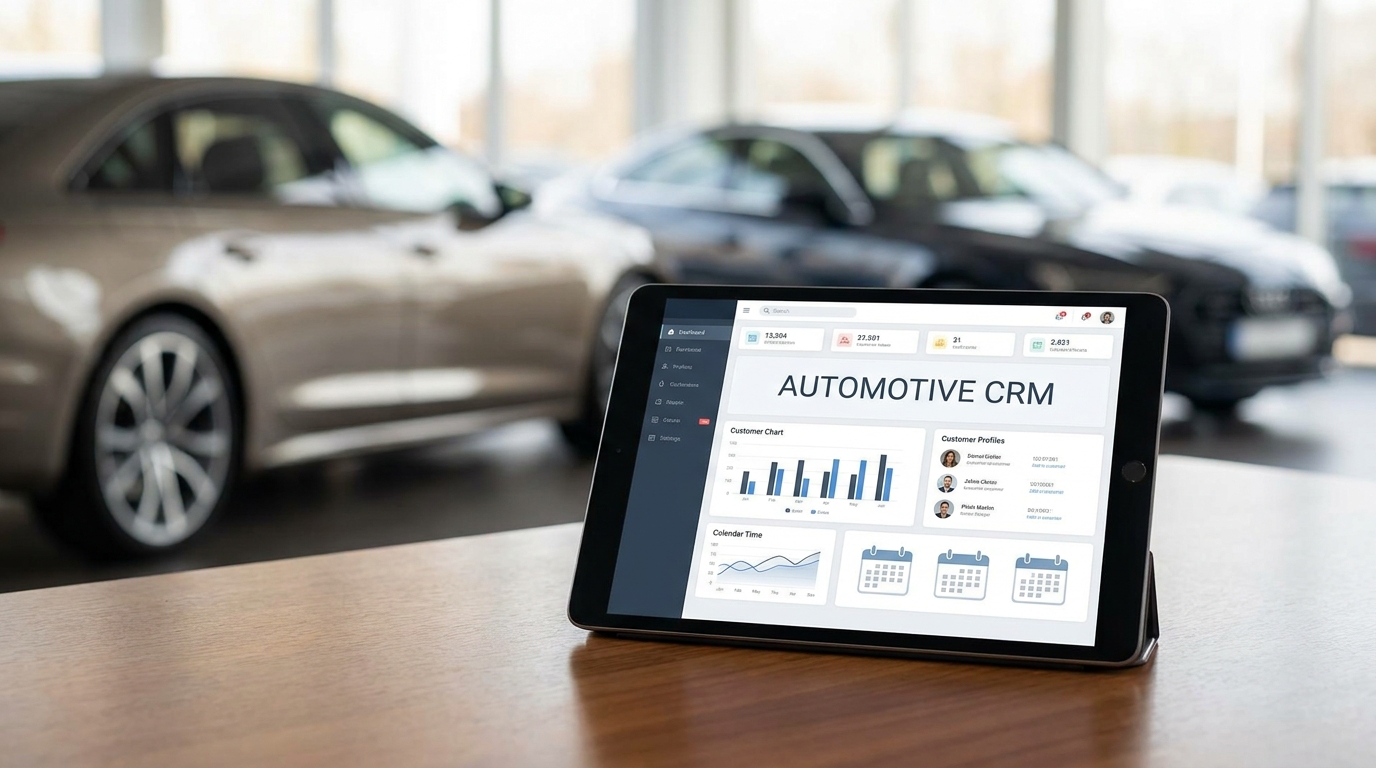
In today’s fiercely competitive automotive market, success is no longer measured solely by the number of cars moved off the lot. The modern customer journey is complex, spanning online research, third-party listings, social media, and multiple visits to the showroom. Customers expect a seamless, personalized, and efficient experience from their first click to their ten-year service appointment. For a dealership, managing these intricate relationships across various departments—sales, F&I, service, and parts—can feel like an impossible task. Juggling spreadsheets, sticky notes, and siloed software systems inevitably leads to missed opportunities, frustrated staff, and, worst of all, unhappy customers who take their business elsewhere. The days of relying on a salesperson’s personal rolodex are long gone.
This is where an Automotive Customer Relationship Management (CRM) system becomes not just a helpful tool, but an essential component of a thriving dealership. An automotive CRM is a specialized software platform designed to be the central nervous system of your entire operation. It’s built to manage every single customer interaction, from an initial web lead to a repeat service visit years down the line. It empowers your team to build lasting relationships, not just complete one-time transactions. In this comprehensive guide, we will dive deep into the world of automotive CRM. We’ll define what it is, explore why generic solutions don’t work for dealerships, break down its core features, and illustrate how it revolutionizes the customer experience across every touchpoint, ultimately driving both loyalty and profitability.
What Exactly is Customer Relationship Management (CRM)?
Before we add the “automotive”-specific layer, it’s crucial to understand the core concept of CRM. At its heart, Customer Relationship Management is both a strategy and a technology. As a strategy, it’s a business philosophy that places the customer at the absolute center of every decision and process. The goal is to move beyond the transactional mindset of “making a sale” and shift towards a relational approach focused on understanding, anticipating, and satisfying customer needs over the long term. This strategy acknowledges that the most valuable asset a dealership has is not the inventory on its lot, but the loyal customer base it cultivates. A customer who buys a car today is also a future service customer, a potential trade-in, a source of referrals, and a candidate for a future vehicle purchase.
The technology part is the software that brings this strategy to life. A CRM platform is essentially a centralized database that captures, stores, and organizes all of your customer data and interactions. Think of it as the ultimate digital memory for your entire dealership. Every phone call, email, text message, website visit, test drive, service appointment, and purchase is logged and linked to a single, unified customer profile. This creates a 360-degree view of each customer that is accessible to any authorized employee, at any time. Instead of information being locked away in a salesperson’s head or a service advisor’s notebook, it becomes a shared, actionable asset for the entire organization. This systemization of relationship knowledge is what transforms a dealership from a collection of individual efforts into a cohesive, customer-centric powerhouse.
Why Your Dealership Needs a Specialized Automotive CRM
While the general concept of CRM is universal, the execution is highly industry-specific. A generic, off-the-shelf CRM designed for a software company or a retail store will quickly prove inadequate for the unique complexities of a car dealership. The automotive sales and service lifecycle is unlike any other, involving high-value transactions, intricate financing processes, long-term service needs, and specific industry data points. Using a generic CRM for a dealership is like trying to use a standard wrench to fix a modern engine’s computer—it’s simply the wrong tool for the job and will cause more problems than it solves.
A true automotive CRM is purpose-built to handle the specific workflows and data requirements of a dealership. It’s designed to speak the language of the industry and integrate seamlessly with the other critical systems you rely on daily. Here are just a few key differentiators that highlight why a specialized solution is non-negotiable:
- Inventory Integration: An automotive CRM integrates directly with your inventory feed and your Dealer Management System (DMS). This means salespeople can instantly access detailed vehicle information, including stock numbers, photos, pricing, and specs, right from the customer’s profile. They can associate a specific vehicle of interest with a lead and track it through the sales process.
- Desking and F&I Tools: These platforms often include built-in desking tools that allow salespeople to work preliminary numbers, including trade-in values, down payments, and monthly payment estimates, creating a smoother transition to the F&I office.
- Service Department Functionality: A key difference is the deep integration with the service side of the business. It can track a customer’s service history, send automated service reminders, schedule appointments, and even allow service advisors to see if a customer is in a good equity position for a potential trade-in, turning the service drive into a profit center.
- Equity and Data Mining: Automotive CRMs have powerful data mining tools that can scan your entire customer database to identify sales opportunities. It can find customers whose leases are ending, who are in a positive equity position, or who own a model that is currently in high demand for your used car inventory.
- Compliance and Reporting: The platform is built with automotive compliance in mind and provides industry-specific reporting and KPIs (Key Performance Indicators) that managers need, such as appointment show rates, closing ratios by lead source, and service absorption rates.
Unpacking the Key Features of an Automotive CRM
A modern automotive CRM is a multifaceted platform with a wide array of tools designed to streamline operations and enhance productivity. While the specific features can vary between providers, a robust system will excel in several core areas that form the foundation of a dealership’s daily activities. Understanding these key functionalities helps to illustrate how the CRM becomes the central hub for both sales and service.
Lead Management and Distribution
In the digital age, leads come from dozens of sources: your dealership website, manufacturer sites, third-party marketplaces like Autotrader or Cars.com, social media ads, phone calls, and walk-ins. A CRM’s primary job is to capture every single one of these leads in real-time and centralize them in one place. More importantly, it uses predefined rules to instantly and intelligently route them to the appropriate salesperson or BDC agent. This automated process eliminates the “lead leakage” that happens when leads sit unassigned in an email inbox and dramatically reduces response time, which is a critical factor in converting online shoppers into showroom visitors.
Sales Process and Workflow Automation
Consistency is key to a successful sales process. An automotive CRM allows you to build and enforce standardized workflows for your sales team to follow. When a new lead arrives, the system can automatically trigger a series of tasks, such as an initial call, a follow-up email, and a long-term nurture text. These automated reminders ensure that no customer falls through the cracks and that every lead is worked thoroughly and professionally. This accountability tool gives managers a clear view of their team’s activities and helps them identify areas for coaching and improvement.
A Unified Communication Hub
One of the most powerful features is the centralization of all customer communications. Every email sent, every text message exchanged, and every phone call logged is automatically attached to the customer’s profile. This creates a complete, chronological history of every interaction. Imagine a customer calls back a week after their initial inquiry and gets a different salesperson. Instead of starting from scratch, that salesperson can instantly pull up the customer’s record, see all previous notes and correspondence, and pick up the conversation exactly where it left off. This provides a seamless experience for the customer and makes your team look incredibly organized and professional.
Powerful Reporting and Analytics
You can’t manage what you don’t measure. An automotive CRM provides dealership managers and owners with a treasure trove of data. With just a few clicks, you can generate reports on virtually any metric: which lead sources are providing the best ROI, which salespeople have the highest closing ratios, what the average lead response time is, or how many service appointments were set from the sales department. This data-driven insight is invaluable for making strategic decisions, optimizing marketing spend, and effectively coaching the team to improve performance across the board.
The Full Customer Lifecycle: CRM’s Role Beyond the Sales Floor
A common misconception is that a CRM is just a tool for the sales team. While it is certainly vital for managing leads and closing deals, the true power of a top-tier automotive CRM is its ability to unify the entire dealership and manage the customer relationship throughout the entire ownership lifecycle. The end of a sale is not the end of the relationship; it’s the beginning of the next phase. A CRM acts as the connective tissue between sales, F&I, and service, creating a cohesive experience for the customer and unlocking new revenue streams for the dealership.
In the Service Department
The service drive is a critical, and often overlooked, area for relationship building. The CRM is instrumental here. It can send automated, personalized reminders for scheduled maintenance based on the customer’s last visit or vehicle mileage. When a customer calls to book an appointment, the service advisor can see their entire history—not just previous repairs, but their original purchase details and any notes from the sales team. This context allows for more personal and effective service. Furthermore, the CRM can flag customers who are in a strong equity position. A service advisor can then say, “By the way, Mrs. Jones, I see you’re in a great position to trade in your vehicle. We could get you into a brand new model for a similar monthly payment. Would you like to speak with a sales manager while you wait?” This proactive approach transforms the service lane from a cost center to a profit center.
In the F&I Office
The handoff from sales to the Finance and Insurance (F&I) office is a critical moment in the customer journey. A CRM ensures this transition is smooth and error-free. All customer information, deal structure, and vehicle details are seamlessly passed to the F&I manager, reducing re-entry of data and saving valuable time. Post-sale, the CRM continues to play a role by managing follow-ups for warranties, service contracts, and other F&I products, ensuring that the dealership maintains contact and continues to provide value long after the customer has driven off the lot.
How an Automotive CRM Directly Improves the Customer Experience
Ultimately, all the features, integrations, and automations of a CRM are in service of one primary goal: creating a better customer experience. In a market where vehicles are often seen as commodities, the quality of the customer’s experience is the single biggest differentiator. A well-implemented CRM directly addresses the most common friction points in the car buying and ownership process, building the kind of loyalty that leads to repeat business and enthusiastic referrals.
Deep Personalization at Every Step
A CRM eradicates the frustratingly impersonal experience of being treated like a number. When a salesperson can greet a customer by name and immediately reference the exact vehicle they were viewing online, it builds instant rapport. When a service advisor is aware of a customer’s past service concerns without having to ask, it shows the dealership is paying attention. This level of personalization makes customers feel valued and understood. The CRM provides the necessary data to tailor communication and offers to the individual’s specific history and needs, moving from mass marketing to one-to-one relationship building.
Efficiency and Respect for the Customer’s Time
Today’s customers are time-poor and have little patience for inefficiency. A CRM dramatically speeds up processes across the dealership. Instant lead alerts mean customers get a response in minutes, not hours. Centralized data means they don’t have to repeat their story to five different people. A smooth data flow from sales to F&I shortens the time spent on paperwork. By streamlining internal operations, the CRM delivers a faster, more convenient, and more respectful experience for the customer.
Proactive and Relevant Communication
Instead of only contacting a customer when you want to sell them something, a CRM enables proactive, value-added communication. This could be a text message with a video update on their vehicle’s service, an email celebrating the one-year anniversary of their purchase with a coupon for a free car wash, or a timely notification that their lease is nearing its end with personalized upgrade options. This type of thoughtful, relevant outreach demonstrates that the dealership cares about the customer beyond the initial sale, fostering a long-term relationship and keeping your dealership top-of-mind.
Selecting the Best Automotive CRM for Your Dealership
Choosing and implementing an automotive CRM is a significant investment, so it’s essential to approach the decision strategically. The right platform can transform your business, while the wrong one can lead to wasted money and frustrated staff. To make an informed choice, you must look beyond the flashy sales pitches and focus on the specific needs and goals of your dealership.
Here is a practical guide to help you navigate the selection process:
- Thoroughly Assess Your Needs and Pain Points: Before you even look at demos, conduct an internal audit. Where are your biggest process breakdowns? Are you losing leads? Is your service retention rate low? Is there a lack of accountability on the sales floor? Clearly defining your problems will help you identify which CRM features are “must-haves” versus “nice-to-haves.”
- Prioritize Critical Integrations: A CRM that doesn’t communicate with your other core systems will create data silos and manual work. Make a list of your essential software, most importantly your Dealer Management System (DMS), but also your website provider, inventory management tools, and phone system. Ensure any CRM you consider offers robust, certified integrations with these key partners.
- Demand a User-Friendly Interface: The most feature-rich CRM in the world is useless if your team refuses to use it. The platform must be intuitive, fast, and easy to navigate. Pay close attention to the mobile application, as your salespeople will be using it on the lot and on the go. Involve a few of your key team members in the demo process to get their feedback on usability.
- Scrutinize the Training and Support: A CRM is not a “set it and forget it” tool. Its success depends on proper implementation, comprehensive initial training, and readily available ongoing support. Ask potential vendors detailed questions about their onboarding process. Do they offer on-site training? What does their customer support model look like? Is there an additional cost for it? A strong training and support partner is just as important as the software itself.
- Plan for Future Growth and Scalability: Your dealership isn’t static, and your CRM shouldn’t be either. Consider your long-term business goals. Are you planning to open another location? Expand your BDC? The right CRM should be able to scale with you, allowing you to easily add users, locations, and new functionalities as your business evolves.
Conclusion: More Than Software, It’s a Business Strategy
In conclusion, an automotive CRM is far more than just a piece of software or a digital rolodex. It is a foundational business strategy for any modern dealership that aims to compete and thrive in today’s customer-centric landscape. By moving beyond disconnected spreadsheets and siloed departments, a CRM provides a single source of truth, creating a unified view of every customer relationship. It automates tedious tasks, freeing up your team to focus on what they do best: building rapport and solving customer problems. It equips managers with the data they need to coach effectively and make smarter, more profitable decisions for the business. From the first online inquiry to the ten-year service milestone, the CRM is the engine that powers a seamless, personalized, and efficient customer journey.
Investing in the right automotive CRM is an investment in your customers. It’s a commitment to understanding their needs, respecting their time, and providing proactive, relevant communication throughout their entire ownership lifecycle. In an industry where customer loyalty can no longer be taken for granted, the dealerships that succeed will be the ones that master the art and science of relationship management. An automotive CRM is the indispensable tool that makes this mastery possible, transforming one-time buyers into lifelong advocates for your brand and securing the long-term health and profitability of your dealership for years to come.