Key Features of Automotive Inventory Management Software
In the fast-paced, highly competitive world of automotive sales, inventory is more than just a collection of cars on a lot; it’s the lifeblood of the dealership. Every vehicle represents a significant capital investment, and the ability to manage this asset effectively is what separates thriving dealerships from those that struggle to stay afloat. The days of relying on spreadsheets and manual data entry are long gone. Today, success hinges on leveraging technology to make smarter, faster, and more profitable decisions. This is where automotive inventory management software comes in, acting as the central nervous system for a modern dealership’s sales operations. This sophisticated software is no longer a luxury but a fundamental necessity for tracking, pricing, merchandising, and selling vehicles efficiently. In this comprehensive guide, we will explore the critical features that define a powerful inventory management system. We will dissect the core pillars of automation, compare advanced pricing tools, analyze the crucial role of integrations with other dealership systems, and underscore the non-negotiable importance of compliance. By understanding these key components, dealership owners and managers can make an informed decision when selecting a software partner that will not only streamline their operations but also drive significant growth and profitability in an ever-evolving market.
The Core of Efficiency: Must-Have Automation Features
The single greatest advantage of a modern inventory management system is its ability to automate repetitive, time-consuming, and error-prone tasks. Automation frees up your valuable team members—from lot attendants to sales managers—to focus on what they do best: acquiring the right cars and selling them to happy customers. It’s about working smarter, not harder, and transforming operational drag into a competitive advantage. When evaluating software, look beyond simple data entry and seek out robust automation capabilities that impact the entire lifecycle of a vehicle at your dealership.
Automated VIN Decoding and Data Entry
The journey of every vehicle in your inventory begins with its Vehicle Identification Number (VIN). Manually entering the year, make, model, trim, engine specifications, and standard features for every car is not only tedious but also a recipe for costly errors. A single typo can lead to an incorrect listing, misinformed salespeople, and a poor customer experience. Top-tier inventory software automates this entire process. By simply scanning or entering a VIN, the system instantly populates the vehicle’s record with precise, factory-correct data. This includes:
- Standard equipment and packages
- Engine and transmission specifications
- Exterior and interior color codes
- Original MSRP data
- Fuel economy ratings
This instantaneous and accurate data foundation ensures consistency across all your marketing channels from the very beginning, building trust with potential buyers.
Automated Merchandising and Syndication
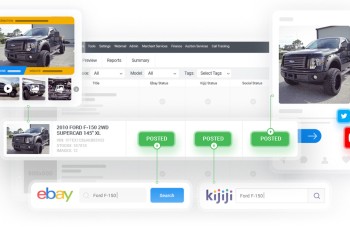
Getting a vehicle “front-line ready” is only half the battle; getting it in front of online shoppers is equally critical. Automation plays a pivotal role here. A great system allows you to set up rules for how your vehicles are merchandised online. This includes automatically watermarking photos with your dealership’s logo, arranging them in a specific, compelling order (e.g., exterior shots, interior, special features), and even generating dynamic, SEO-friendly vehicle descriptions based on templates. The most powerful feature, however, is automated syndication. Once a vehicle is entered and ready for sale, the software automatically pushes the listing—complete with photos, videos, price, and description—to dozens of online platforms simultaneously. This includes your own dealership website, major third-party classifieds like Autotrader, CarGurus, and Cars.com, and even social media platforms like Facebook Marketplace. This ensures your inventory is seen by the widest possible audience in the shortest amount of time, dramatically reducing the time a vehicle sits on the lot.
Winning the Pricing Game: Advanced Pricing Tools
Pricing a used vehicle is one of the most complex and high-stakes decisions a dealership makes. Price it too high, and the car will age on your lot, costing you money every day. Price it too low, and you leave valuable profit on the table. The market is constantly in flux, influenced by auction trends, regional demand, and competitor actions. Relying on gut feeling or outdated book values is no longer a viable strategy. Modern inventory management software equips dealers with sophisticated pricing tools that leverage real-time data to optimize every sale.
Real-Time Market Data Analysis
The cornerstone of any advanced pricing tool is its connection to live market data. The software scans millions of online listings from competitors, auctions, and classified sites to give you a crystal-clear picture of the marketplace for any specific vehicle. You can instantly see how your 2019 Ford F-150 XLT is priced relative to every other similar truck within a 50, 100, or 200-mile radius. Key metrics provided often include:
- Market Day Supply: Indicates the popularity and scarcity of a vehicle. A low day supply suggests you can price more aggressively.
- Price to Market Percentage: Shows you where your price sits relative to the market average (e.g., 98% of market average).
- Competitor Aging: Reveals how long similar cars have been sitting on your competitors’ lots, indicating potential pricing errors in the market.
This data-driven approach removes guesswork, allowing you to position each vehicle competitively from day one.
AI-Powered Pricing and Appraisal Recommendations
The best systems take market data a step further by using artificial intelligence (AI) and machine learning algorithms to provide actionable recommendations. When appraising a trade-in or considering a vehicle at auction, the tool can analyze all relevant data points—market supply, historical sales data, reconditioning costs, and your dealership’s target profit margin—to suggest a precise acquisition price and an optimal retail price. These AI-powered engines can also power dynamic pricing strategies. For instance, you can set rules to automatically adjust the price of a vehicle down by a certain percentage after it has been in inventory for 30, 60, or 90 days, ensuring you are always proactively managing aging stock.
Building a Connected Dealership: The Power of Integrations
An inventory management system, no matter how powerful, cannot exist in a vacuum. A dealership uses a complex web of software to manage different parts of its business, from sales and customer relationships to accounting and service. The true power of an inventory platform is unlocked through its ability to seamlessly integrate with these other systems, creating a single, cohesive ecosystem where data flows freely and accurately. This eliminates the need for “double entry” of data, reduces errors, and ensures that every department is working from the same playbook.
Critical Integration 1: Dealership Management System (DMS)
The DMS is the operational heart of a dealership, handling accounting, deal structuring, and parts and service management. The integration between your inventory software and your DMS is the most critical connection of all. A deep, bi-directional integration ensures that when a vehicle is acquired, it’s immediately created in both systems. When it’s sold, the deal information from the DMS automatically updates the inventory system, marking the vehicle as sold and removing it from all online listings. This prevents the frustrating scenario of a customer calling about a car that was sold hours or even days ago. This sync also pulls in crucial cost data, such as reconditioning expenses from the service department, giving your managers a true “cost-to-market” view for every vehicle.
Critical Integration 2: Customer Relationship Management (CRM)
Your CRM is where you manage your leads and customer interactions. Integrating your inventory with your CRM creates a powerful sales tool. When a new lead comes in for a specific vehicle, that lead can be automatically assigned in the CRM and linked directly to the vehicle’s stock number. This gives the salesperson immediate access to all the vehicle’s details, photos, and market pricing data right within the CRM interface they use all day. Furthermore, it allows for sophisticated marketing. For example, if a customer was interested in a specific SUV that sold, the CRM can automatically alert them when a similar vehicle arrives in your inventory, creating a sales opportunity out of thin air.
Staying on the Right Side of the Law: Compliance and Reporting
The automotive industry is heavily regulated, and failure to comply with federal and state laws can result in hefty fines, legal battles, and severe damage to a dealership’s reputation. A robust inventory management platform is not just a sales tool; it’s a critical compliance tool that helps protect your business. It automates the creation of necessary legal documents and ensures that the information you present to customers is accurate, consistent, and transparent across the board.
Automated Document Generation
One of the most important compliance features is the automated generation of legally required documents. This includes the FTC Buyers Guide, which must be displayed on every used vehicle for sale. The software should automatically populate this guide with the correct vehicle information and warranty details (e.g., “As Is – No Dealer Warranty” or the specifics of a dealer warranty). This eliminates the risk of an employee forgetting to place a guide on a car or using an outdated or incorrect form. Similarly, the system should generate detailed window stickers (addendums) that clearly list the vehicle’s features, any dealer-added accessories, and the final asking price, ensuring full transparency for the consumer.
Vehicle History and Disclosure Management
Transparency is key to building customer trust and avoiding legal trouble. Modern inventory systems integrate directly with vehicle history report providers like CarFax and AutoCheck. With a single click, you can pull a full history report and even link to it directly from your online listings. The software also serves as a central repository for managing important disclosures. You can log information about title status (e.g., salvage, rebuilt), prior accidents, or any other material facts that must be disclosed to a buyer. By keeping this information tied directly to the vehicle’s digital record, you ensure that every salesperson is aware of it and that it is communicated consistently, creating a verifiable audit trail should a dispute ever arise.
Beyond the Basics: Advanced Features That Drive Profitability
While automation, pricing, integrations, and compliance form the core of any good system, the best-in-class platforms offer advanced features that provide a distinct competitive edge. These tools are designed to optimize every facet of inventory management, from the moment you appraise a trade-in to how you present it online and analyze its performance.
Mobile App Functionality and On-the-Go Appraisal
The dealership lot is not a desk job. Managers and salespeople are constantly on the move. A powerful, fully-featured mobile application is essential for modern operations. This allows your team to manage inventory from anywhere. A used car manager at an auction can scan a VIN with their phone’s camera, pull up live market data, and make an informed bidding decision on the spot. An appraiser can walk around a customer’s trade-in, input vehicle condition details, scan the VIN, and generate a data-backed appraisal value in minutes, without ever leaving the customer’s side. Salespeople can use the app to quickly look up vehicle details, locate a car on the lot, or even take additional photos for a customer right from their smartphone.
Sophisticated Analytics and Performance Reporting
You can’t improve what you don’t measure. Beyond simple sales reports, look for a system with a robust analytics dashboard that provides deep insights into your inventory’s performance. Key reports to look for include:
- Aging Reports: Quickly identify which vehicles have been on the lot the longest so you can take proactive pricing or marketing action.
- Inventory Turn Rate: Measure how quickly you are selling your inventory, a key indicator of operational health.
- Gross Profit Analysis: Track your profit per vehicle (PVR), breaking it down by make, model, age, and even salesperson to identify trends and opportunities.
- Sourcing Analysis: Determine which sources (e.g., trade-ins, specific auctions, online purchases) are providing you with the most profitable vehicles.
These insights allow you to fine-tune your acquisition strategy and focus your capital on the vehicles that will generate the highest return.
Choosing the Right Software: A Comparative Framework for Your Dealership
With a clear understanding of the essential features, the final step is selecting the right software partner for your dealership’s unique needs. The “best” system is not a one-size-fits-all solution. It’s the one that aligns with your size, workflow, existing technology, and future growth plans. To make an informed decision, evaluate potential vendors against a consistent framework.
Scalability, Support, and Ease of Use
First, consider scalability. If you are a single-point independent store today, do you have plans to expand to multiple locations in the future? The software should be able to grow with you without requiring a complete and painful migration to a new system. Next, evaluate the user interface (UI) and overall ease of use. The most feature-rich software is useless if your team finds it clunky and difficult to navigate. Request a live demo and involve the actual end-users in the evaluation process. Finally, scrutinize the level of customer support. When you have a critical issue with syndication or pricing, how quickly can you get a knowledgeable human on the phone? What kind of initial training and ongoing support is included in the price? A strong support system is an invaluable asset.
Pricing Models and Total Cost of Ownership
Software pricing can be complex. Common models include a flat monthly fee per dealership (rooftop), a per-user fee, or tiered plans where more features cost more. It’s crucial to understand the total cost of ownership. Ask about any one-time setup or implementation fees. Are integrations with your specific DMS or CRM included, or do they cost extra? Are there limits on the number of vehicles you can manage or the number of photos you can upload? Be wary of long-term contracts that lock you in for multiple years. A transparent pricing model and a flexible contract term are signs of a confident vendor that stands by its product’s value.
Conclusion: Your Inventory Software as a Strategic Command Center
In conclusion, selecting an automotive inventory management software is one of the most impactful technology decisions a dealership can make. It transcends simple record-keeping and becomes the strategic command center for your entire sales operation. As we’ve explored, the true value lies in a holistic combination of features. Powerful automation is the engine of efficiency, saving countless hours and eliminating costly human errors in data entry and online merchandising. Advanced pricing tools are your navigation system, using real-time market data and AI to guide you toward maximum profitability on every single unit. Seamless integrations act as the communication network, connecting your inventory to your DMS, CRM, and website to create a unified, data-driven ecosystem. Finally, robust compliance and reporting features serve as your shield, protecting your dealership from legal risks and building a foundation of trust with your customers. When you choose a system that excels in these four key areas, you are not just buying software; you are investing in a platform that enables smarter acquisitions, faster inventory turnover, higher gross profits, and a more streamlined, modern operation. The right technology empowers your team to focus on building relationships and selling cars, securing your dealership’s success for years to come.