Blinking Car Lock Symbol: Your Immobilizer System Guide
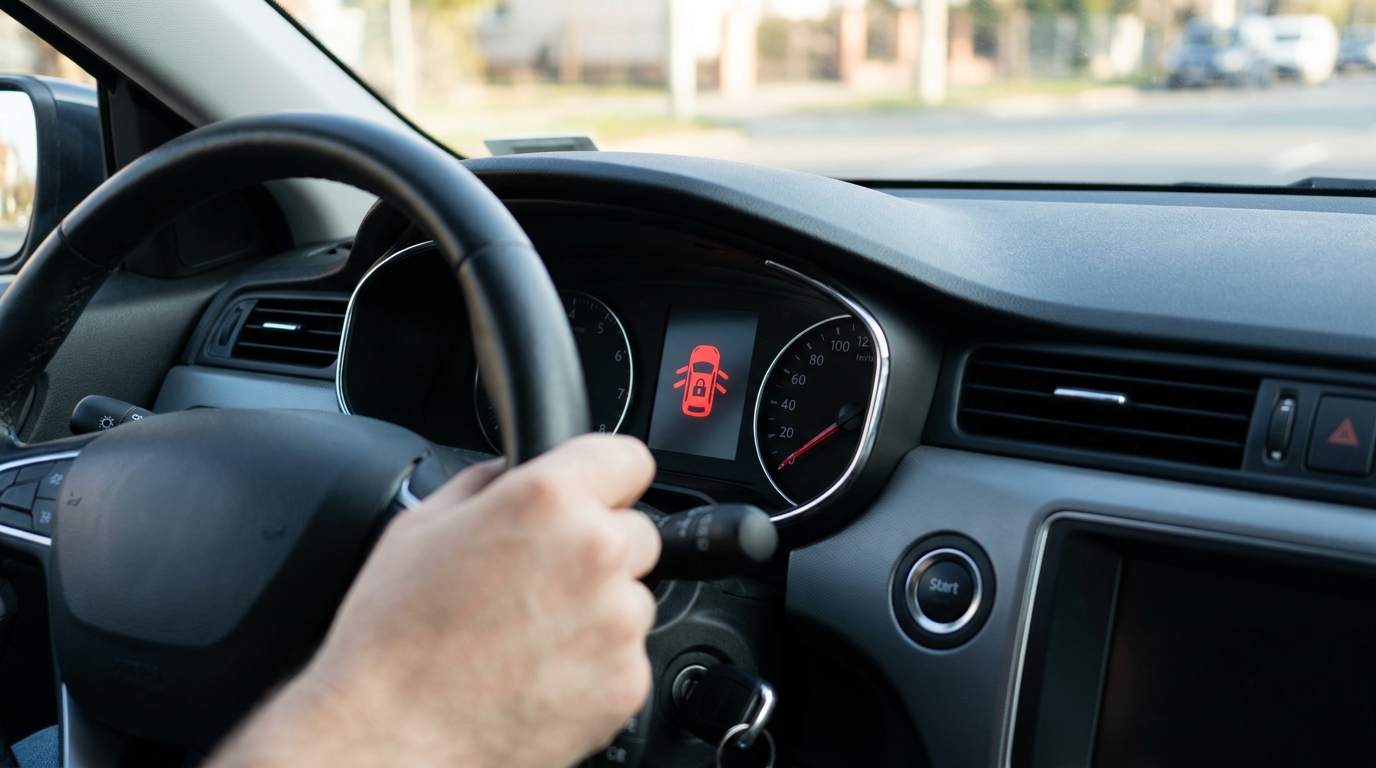
You’re running late. You jump in your car, put the key in the ignition (or press the “Start” button), and turn it. The engine cranks, sputters for a second, and then… nothing. Or maybe it doesn’t even crank at all. You try again, and that’s when you notice it: a little red or orange light on your dashboard, flashing insistently. It’s a picture of a car with a padlock or a key inside it. This small, blinking icon is your vehicle’s security system telling you something is wrong, and it’s the reason your car has suddenly transformed into a very large, very expensive paperweight. This light is directly connected to a sophisticated anti-theft system known as the engine immobilizer, a standard feature in virtually all modern vehicles. While its intention is to protect your car from theft, a malfunction can unfortunately also lock you, the rightful owner, out from starting your engine. This situation can be incredibly frustrating, but don’t panic. That blinking light is a diagnostic clue. Understanding what it means, what the immobilizer system does, and the common reasons it might fail is the first step toward a solution. In this comprehensive guide, we will demystify that blinking symbol, delve into the inner workings of your car’s immobilizer, and walk you through troubleshooting steps, helping you determine if it’s a simple fix or time to call in the experts.
Decoding the Dashboard: What the Blinking Lock Symbol Really Means
Before we dive into the complex electronics, let’s start with the symbol itself. That icon of a car with a lock, key, or sometimes just a padlock is your car’s security indicator light. Its behavior is key to understanding the status of your vehicle’s anti-theft system. The meaning of the light changes depending on when and how it’s blinking.
Normal Operation vs. A Sign of Trouble
It’s crucial to distinguish between normal operation and a genuine fault. In most vehicles, the security light operates in a predictable pattern:
- A Slow, Steady Blink (When the Car is Off): This is completely normal. When you turn off your car, lock the doors, and walk away, you’ll likely see this light begin to blink slowly and steadily, perhaps once every few seconds. This is the immobilizer system’s way of saying, “I’m armed and on duty.” It’s a visual deterrent to potential thieves, indicating that the vehicle is protected by an electronic anti-theft system. If this is the only time you see the light blinking, your system is working exactly as designed.
- A Solid Light or Rapid Flashing (When Trying to Start): This is the problem indicator. If you insert your key or have your key fob in the vehicle and the security light either stays on solid or starts flashing rapidly, it signifies a fault. The immobilizer system has failed to authenticate your key. It does not recognize the transponder signal, or it has detected an error within the system itself. As a result, it has initiated its security protocol: preventing the engine from starting to thwart a perceived theft attempt. This is the car’s cry for help, and it won’t allow the engine to run until the authentication issue is resolved.
The Unsung Hero: How Your Car’s Immobilizer System Works
To understand why the system fails, you first need to appreciate how this ingenious piece of technology works. The engine immobilizer is not a simple alarm that makes noise; it’s an electronic handshake that happens in milliseconds every time you start your car. It’s a robust security measure that has dramatically reduced car theft rates since its widespread adoption. The system consists of three main components working in perfect harmony.
The Key Components of the Immobilizer Handshake
- The Transponder Chip: Embedded inside the plastic head of your car key or integrated into your key fob’s circuit board is a tiny microchip. This is the transponder chip. It contains a unique, alphanumeric security code that is programmed to be recognized only by your specific vehicle. This chip is typically passive, meaning it doesn’t have its own power source like a battery. It’s energized wirelessly by a signal from the car itself.
- The Antenna Coil (or Receiver): Positioned around the ignition cylinder (where you insert a traditional key) or near the push-to-start button is a small ring-shaped antenna. When you turn the key or press the start button, this coil emits a low-frequency radio signal. This signal energizes the transponder chip in your key, which then broadcasts its unique security code back to the antenna.
- The Engine Control Unit (ECU) or Immobilizer Module: The antenna coil relays the code it received from the key to the car’s central computer, the ECU, or a dedicated immobilizer control module. This module has the corresponding security code stored in its memory. It compares the code from the key to the code it has on file. If the codes match perfectly, the module sends an “all-clear” signal. This signal authorizes the ECU to enable the critical systems needed for the engine to run: the fuel pump, the fuel injectors, and the ignition system. If the codes do not match, or if no code is received at all, the module tells the ECU to “immobilize” the engine by disabling one or more of those systems.
This entire verification process happens in the blink of an eye. When it works, you don’t even notice it. But when any part of this chain is broken, you’re left with a blinking light and a car that won’t start.
Common Culprits: Why Your Immobilizer Is Acting Up
Now that you understand the process, you can better understand what can go wrong. A blinking immobilizer light is almost always traced back to a failure in that electronic handshake. The car is essentially saying, “I don’t recognize this key.” Here are the most common reasons why that communication fails.
- Dead or Weak Key Fob Battery: While the transponder chip itself is often passive, the key fob that houses it is not. A dying battery in the fob can create radio frequency interference that disrupts the signal from the transponder chip. In some keyless-entry systems, the battery is essential for the entire “key present” detection process. This is the most common cause and, thankfully, the easiest and cheapest to fix.
- Damaged Transponder Key: The plastic shell of your key might look fine, but the electronics inside are delicate. Dropping your keys repeatedly, getting them wet, or exposing them to extreme heat can damage the transponder chip or its tiny antenna. A hairline crack in the chip’s circuit can be enough to render it unreadable, even if the key can still manually unlock the doors.
- Key Programming Errors: Keys can sometimes lose their programming, a process known as desynchronization. This can happen randomly or be triggered by events like a car battery replacement, a jump start, or using a cheap, poorly made duplicate key. If you recently had a new key made and it wasn’t programmed correctly by a qualified professional, it will never be recognized by the car.
- Faulty Antenna Coil/Receiver: The receiver ring around the ignition switch is a simple component, but it can fail over time. If the coil is damaged, it can’t send out the signal to power the transponder chip or can’t receive the code back. The car’s computer receives no signal and assumes an invalid key is being used.
- A Dying Car Battery: The immobilizer system, like all electronics in your car, requires a stable voltage to operate correctly. A weak or dying car battery can cause erratic behavior in various modules, including the immobilizer. The system might not have enough power to complete the handshake, resulting in a blinking light and a no-start condition that seems like a security issue but is actually a power supply problem.
- Wiring Issues or Module Failure: In rarer cases, the problem lies deeper within the car’s electronics. A frayed wire, a corroded connector, or a complete failure of the immobilizer module or the ECU itself can break the communication chain. This is the most complex and expensive scenario to diagnose and repair.
First-Aid for Your Car: DIY Troubleshooting You Can Try Now
Before you pick up the phone and prepare for a tow truck and a hefty bill, there are several simple diagnostic steps you can take. These steps can often resolve the issue or, at the very least, help you narrow down the cause of the problem.
- Try Your Spare Key: This is the single most important troubleshooting step. If you have a spare key, go get it and try to start the car. If the car starts perfectly with the spare, you have definitively identified the problem: your primary key is faulty (due to a dead battery or damaged chip). If the spare key also fails to start the car, the problem is more likely with the vehicle’s components (the antenna coil or computer).
- Replace the Key Fob Battery: As mentioned, this is a frequent offender. Key fob batteries are inexpensive (usually CR2032 or similar coin-style batteries) and can be found at most grocery or hardware stores. A small screwdriver is often all that’s needed to pry the fob open. Replacing the battery costs a few dollars and takes only a minute, and it could solve your problem instantly.
- Inspect Your Key: Look closely at your key for any signs of physical damage. Is the plastic casing cracked? Does it look like it’s been exposed to water? While the transponder chip is internal, severe external damage is a good indicator of potential internal issues.
- Check the Car Battery: Pop the hood and look at your car’s battery terminals. Are they covered in a white or bluish, crusty substance? This corrosion can impede the flow of electricity. If you have a multimeter, check the battery’s voltage; a healthy battery should read around 12.6 volts when the car is off. If it’s below 12 volts, it may not have enough power to run the car’s electronics correctly.
- Attempt a System Reset: Some vehicles have a manual security system reset procedure. A common method involves inserting the key into the ignition, turning it to the “On” position (without starting the engine), and leaving it there for 10-15 minutes. This can sometimes force the system to re-recognize the key. Consult your owner’s manual or search online for a procedure specific to your car’s make and model, as this process can vary.
When DIY Fails: Calling in the Automotive Locksmith Professionals
If you’ve tried your spare key, replaced the fob battery, and checked the car’s battery to no avail, it’s time to admit defeat and call for professional assistance. Your problem likely requires specialized diagnostic tools and expertise. At this point, you generally have two main options: the dealership or a qualified automotive locksmith. While the dealership can certainly solve the problem, an automotive locksmith often presents a more convenient and cost-effective solution.
Dealership vs. Automotive Locksmith
The dealership has access to all the manufacturer-specific tools and information. However, this service comes at a premium price. More importantly, you will have to pay to have your non-starting vehicle towed to their service center, adding time and expense to an already stressful situation. An automotive locksmith, on the other hand, is a specialist in keys, locks, and immobilizer systems. The key advantages they offer are:
- Mobility: Most automotive locksmiths offer mobile services. They come to you—whether you’re stranded in your driveway, at work, or in a parking lot—saving you the cost and hassle of a tow.
- Specialization: This is their area of expertise. They have the advanced diagnostic tools needed to communicate with your car’s immobilizer system, pinpoint the exact fault, and perform the necessary repairs on-site.
- Cost-Effectiveness: Without the overhead of a large dealership, locksmiths can often provide services like key cutting, fob programming, and even ignition repair at a more competitive price.
If you’re facing a stubborn blinking security light, our team of certified automotive locksmiths is here to help. We provide a full range of immobilizer services, including on-site diagnostics, new key fob replacement and programming, and ignition receiver repair. Don’t stay stranded—contact us today for fast, reliable service.
Conclusion: Don’t Let a Blinking Light Ruin Your Day
That small, blinking icon of a car and a lock can bring your day to a screeching halt, but it doesn’t have to be a catastrophe. This light is a crucial piece of information from your vehicle, pointing directly to a problem with its anti-theft immobilizer system. By understanding that this system relies on a delicate electronic handshake between your key’s transponder chip and your car’s computer, you can better grasp what might be going wrong. The issue often stems from simple, easily solvable problems like a dead battery in your key fob or a damaged transponder chip within the key itself. This is why the first and most critical steps in troubleshooting are always to try your spare key and replace the fob battery. These simple actions can save you significant time, money, and stress. However, if these initial steps don’t resolve the issue, it’s a clear sign that the problem lies deeper within the vehicle’s components, such as the antenna coil or the immobilizer module itself. In these cases, resisting the urge for further DIY fixes and seeking professional help is the wisest course of action. A qualified mobile automotive locksmith is your best ally, offering the specialized expertise and equipment to diagnose and fix the problem efficiently and affordably, right where you are. So, the next time you see that blinking light, take a deep breath; you’re now equipped with the knowledge to tackle the problem head-on.