Red Car Dashboard Light: What It Means and What to Do
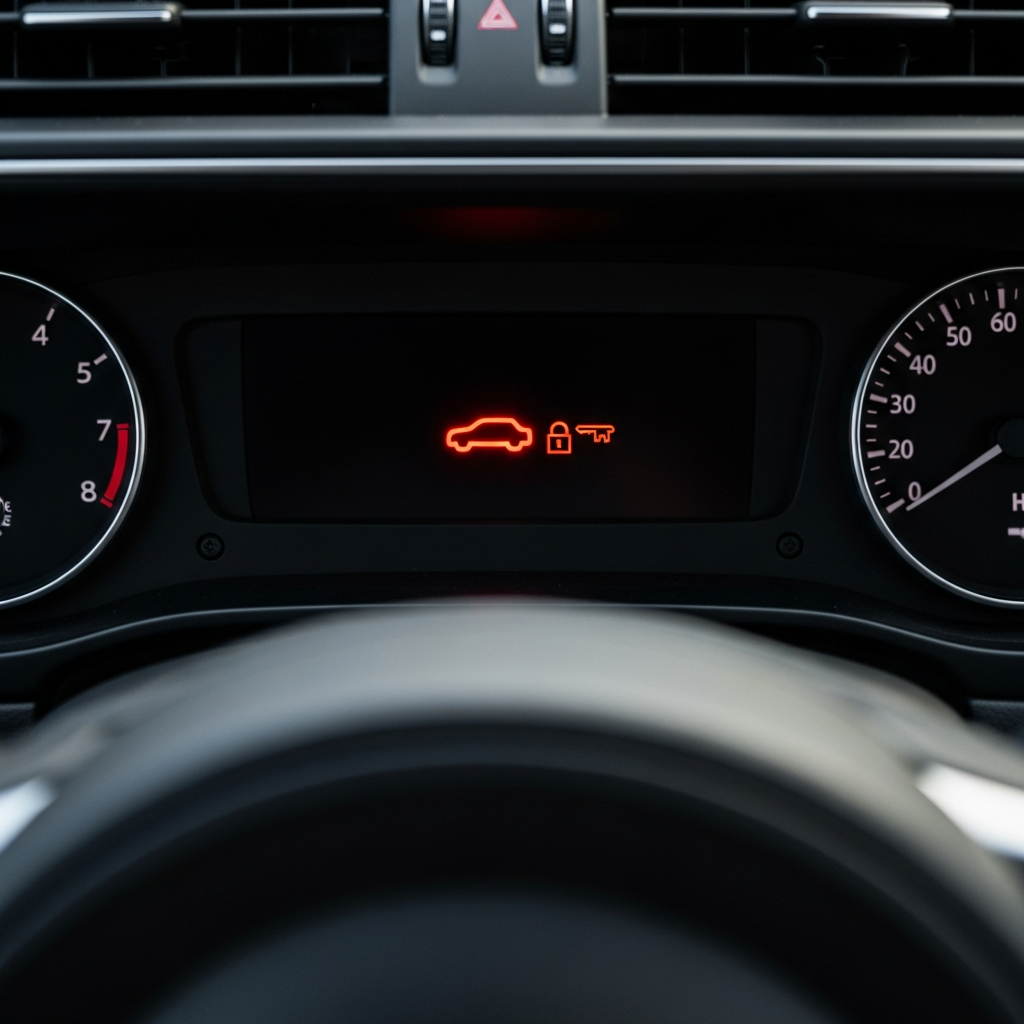
You’re driving along, or perhaps you’ve just slid into the driver’s seat to start your day, when you notice it: a new, unfamiliar light on your dashboard. It’s a small, red icon shaped like a car, sometimes with a key or a padlock inside it. Your heart might skip a beat. Red lights on a dashboard are universally understood to mean “stop” or “warning,” often associated with critical issues like engine overheating or low oil pressure. But before you start envisioning a catastrophic engine failure and an expensive tow truck ride, take a deep breath. This particular light, while important, is usually not signaling a mechanical emergency. It’s your car’s way of communicating with you about its security system. This is the immobilizer light, a key part of modern vehicle anti-theft technology. Its job is to ensure that only a key with the correct, pre-programmed electronic code can start the engine. In this comprehensive guide, we’ll demystify this common dashboard symbol, explore what it means when it’s flashing or solid, and walk you through the common causes and troubleshooting steps you can take. We will also pull back the curtain and explain how informative content like this is a powerful tool for automotive dealerships to build trust and connect with customers.
Understanding the Security Indicator Light
At its core, the red car symbol is the face of your vehicle’s immobilizer system. This sophisticated anti-theft technology has become standard on most cars manufactured in the last two decades. It was designed to prevent the age-old crime of hot-wiring a vehicle. Unlike simple car alarms that just make noise, the immobilizer system can physically prevent the engine from starting, making it a far more effective deterrent against theft.
So, how does it work? The process is a seamless, invisible digital handshake that happens every time you start your car.
- The Transponder Key: Your car key or key fob isn’t just a piece of metal cut to fit a lock. Embedded within the plastic head of the key is a tiny electronic transponder chip. This chip contains a unique, encrypted security code. It’s a passive device, meaning it doesn’t need its own battery to hold the code, but it does need a small amount of power to transmit it, which it gets from the car itself.
- The Ignition System: Around the ignition cylinder (where you insert the key) or near the push-to-start button, there is a small antenna or reader coil. When you turn the key to the “ON” position or press the start button, this coil emits a low-frequency radio signal.
- The Handshake: This signal energizes the transponder chip in your key, which then broadcasts its unique code back to the reader coil. The coil sends this code to the car’s security module or Engine Control Unit (ECU).
- The Verification: The ECU compares the code it received from the key to the code stored in its memory. If the codes match, the ECU allows the fuel pump and ignition systems to operate, and the engine starts. If the codes do not match—or if no code is received at all—the ECU will “immobilize” the engine, preventing it from starting.
The red car light is the visual indicator of this entire process. Its normal behavior is to flash slowly when the car is off and locked, showing that the system is armed. It will then illuminate for a few seconds when you first turn the ignition on as a system check, and finally, it will turn off completely once the key is verified and the engine is running. When it deviates from this pattern, it’s signaling a problem in that digital handshake.
Common Triggers for the Anti-Theft Light
When the security light doesn’t turn off or starts flashing erratically, it means the verification process has failed. The car isn’t receiving or recognizing the signal from your key. Fortunately, the cause is often simple and relatively inexpensive to fix. Let’s break down the most common culprits, from the easiest to resolve to the more complex.
A Dead or Weak Key Fob Battery
This is by far the most frequent reason for immobilizer issues, especially in cars with push-to-start systems. While the transponder chip that holds the security code is passive, the key fob itself—which handles functions like remote locking and unlocking—has a small battery. In many modern systems, the overall functionality of the key can be affected by a weak battery, leading to a poor signal. The car’s reader may struggle to pick up the transponder’s code, leading to an intermittent starting issue and a flashing security light.
- Symptoms: You may need multiple attempts to start the car, or the remote lock/unlock range might be noticeably shorter.
- Solution: Replacing the coin-cell battery inside the fob is a simple and cheap first step. You can often do this at home with a small screwdriver, or any hardware store, jewelry counter, or dealership can do it for you.
A Damaged Key or Transponder Chip
Your car keys lead a tough life. They are dropped, tossed, exposed to moisture, and subjected to extreme temperatures. The delicate transponder chip inside can be damaged from a hard impact or water intrusion. If the chip is broken or its internal wiring is severed, it can no longer broadcast its code, effectively rendering it useless to the car.
- Symptoms: The car will not start at all with the damaged key, and the security light will likely flash rapidly or stay on solid when you try. A spare key, however, will work perfectly.
- Solution: Unfortunately, a damaged transponder chip cannot be repaired. You will need a replacement key, which must be sourced and programmed specifically for your vehicle by a dealership or a certified automotive locksmith.
Faulty Immobilizer System Components
If you’ve ruled out the key itself, the problem may lie within the car’s own security system components. The issue could be with the transponder reader coil around the ignition switch, the security module itself, or even the main Engine Control Unit. A wire could be loose, or a component could have failed.
- Symptoms: The light may behave erratically, stay on constantly even while driving, or the car may not start with any of your keys, including a brand-new one.
- Solution: This is not a DIY fix. It requires advanced diagnostic tools to communicate with the car’s computer and pinpoint the faulty component. This work should be left to the trained technicians at a dealership service center.
Using a Non-Programmed or “Wrong” Key
This is a simple human error. You might have accidentally grabbed a key for a different car, or you might be trying to use a newly cut key that hasn’t been electronically programmed to the vehicle yet. A key can be physically cut to turn the ignition, but without the correct electronic code, the ECU will not allow the engine to start.
- Symptoms: The key turns, the dashboard lights up, but the engine won’t crank or turn over. The red car security light will be flashing.
- Solution: Find the correct, programmed key for the vehicle.
Your Step-by-Step Action Plan
Seeing that red car symbol flashing can be stressful, but having a clear plan can make all the difference. Follow these logical steps to diagnose the issue before calling for help.
- Observe the Light’s Behavior: First, take note of exactly what the light is doing. Is it flashing slowly when the car is off? That’s normal. Is it flashing rapidly when you try to start the car? That indicates a key recognition problem. Is it on solid? That often points to a system fault. This information will be incredibly helpful for a technician.
- Try Your Spare Key: This is the single most important troubleshooting step. If your spare key works without any issues, you have successfully isolated the problem to your primary key. This means the issue is almost certainly a dead battery or a damaged transponder in that specific key.
- Replace the Key Fob Battery: As mentioned, this is a common and easy fix. Most fobs use a CR2032 or similar coin battery. Check your owner’s manual or a quick online search for your specific make and model to find instructions. It’s a five-minute fix that could save you a lot of time and money.
- Attempt a System Reset: Some vehicles have a procedure that can sometimes resynchronize a key that has lost its connection. A common method is to insert the key into the ignition, turn it to the “ON” position (the final position before cranking the engine), and leave it there for 10-15 minutes. The security light may flash and then turn solid or go out. After the time is up, turn the key to “OFF,” wait a few seconds, and then try to start the car normally. Be aware that this procedure varies by manufacturer and does not work for all vehicles.
- Check the Main Car Battery: A weak or dying car battery can cause a cascade of electrical problems. The low voltage can sometimes be insufficient to properly power the security modules, leading to an immobilizer fault. If your car is slow to crank or your interior lights are dim, the car battery could be the real culprit.
- Call a Professional: If you’ve tried all the above steps and the car still won’t start, it’s time to stop. Further attempts to start the vehicle or bypass the system could potentially cause more complex issues. Contact your dealership’s service department or a reputable automotive locksmith who has the tools to diagnose and program modern vehicle security systems.
Flashing vs. Solid: Decoding the Light’s Behavior
The way the light behaves is a language in itself, providing clues to the nature of the problem. While specifics can vary slightly between manufacturers, there are general rules that can help you understand what your car is trying to tell you.
A Slow, Rhythmic Flash (Car is Off)
This is the “all is well” signal. When your car is turned off, the doors are locked, and you see a little red car icon blinking peacefully on your dashboard, it means the immobilizer system is armed and actively protecting your vehicle. This is completely normal and is designed to deter potential thieves by showing the car has an active security system.
A Rapid, Frantic Flash (When Trying to Start)
If you insert the key or press the start button and the light begins flashing quickly, this almost always signifies a key recognition failure. The car is trying to read the transponder chip, but it’s either not receiving a signal or the signal it’s receiving is incorrect. This points directly to the most common issues: a dead key fob battery, a damaged key, or interference from other electronic devices.
A Solid, Unblinking Light (Ignition On)
When you turn the ignition to the “ON” position and the security light comes on and stays on, this typically indicates a more significant system fault. The car’s onboard diagnostics have detected a problem within the immobilizer system itself—not just with the key. This could be a malfunctioning sensor, a bad reader coil, or an issue with the security module. The car is essentially in a “lockdown” mode and will not start until the fault is diagnosed and repaired.
A Solid Light (While Driving)
This is the least common scenario, but it can happen. If the security light comes on and stays on while you are already driving, it means the system detected a fault *after* a successful start. The good news is that the immobilizer will not shut your engine off while you are in motion, as this would be a major safety hazard. However, it is a critical warning: the car will very likely not restart once you turn it off. You should drive directly to a trusted service center to have it diagnosed immediately.
How to Avoid Future Security System Headaches
While you can’t prevent every potential issue, a few proactive habits can significantly reduce your chances of being stranded by an immobilizer problem. Prevention is always better than a cure, especially when it comes to car troubles.
- Handle Your Keys with Care: Treat your key fob like the sensitive electronic device it is. Avoid dropping it on hard surfaces, and protect it from getting wet. A protective silicone or leather case can provide an extra layer of shock absorption.
- Replace Fob Batteries Proactively: Don’t wait for the battery to die. Make it a habit to replace the battery in your key fob every two to three years. The batteries are inexpensive, and changing them on your own schedule is far better than having them fail at an inconvenient time.
- Always Maintain a Spare Key: Having a second, fully programmed key is essential. Keep it in a safe and memorable place at home. It not only serves as a backup if you lose your primary key but also acts as a vital tool for troubleshooting. If one key fails, the spare can tell you immediately whether the problem is with the key or the car.
- Beware of Aftermarket Electronics: If you plan to install a remote starter, a new alarm system, or a complex audio setup, ensure it is done by a reputable, certified technician. Poorly installed electronics can interfere with the factory wiring for the immobilizer system, creating “ghost” issues that are difficult and expensive to diagnose.
- Address Warning Signs Early: If you notice your car is taking an extra second or two to start, or if the key fob’s remote range seems to be decreasing, don’t ignore it. These are often the first signs of a failing fob battery or a developing issue. Addressing it early can prevent a no-start situation down the road.
Content is King: The SEO Strategy for Automotive Dealerships
You might be wondering why a car dealership would publish such a detailed article about a specific dashboard light. This isn’t just a random act of public service; it’s a sophisticated and highly effective marketing strategy known as content marketing, which is a cornerstone of modern Search Engine Optimization (SEO).
The goal is to be the first and most helpful answer a potential customer finds when they have a problem. When a driver in your city frantically searches Google for “why is the red car light on my dashboard flashing,” they aren’t looking for a sales pitch. They are looking for an immediate solution to a stressful problem. By providing a clear, comprehensive, and reassuring article like this one, a dealership achieves several key business objectives:
- Targeting High-Intent Keywords: This strategy targets “long-tail keywords”—longer, more specific search phrases. These queries are less common than broad terms like “new cars for sale,” but the user’s intent is much higher. They have an active problem and are actively seeking a service provider.
- Building Expertise, Authoritativeness, and Trust (E-A-T): In the eyes of Google and potential customers, providing genuinely helpful content establishes the dealership as a knowledgeable expert. When a driver finds a solution on your blog, they begin to trust your brand. That trust is invaluable and makes them far more likely to choose your service center over a competitor’s.
- Driving Local Service Traffic: The article acts as a magnet for local customers. By including a clear Call to Action (CTA) such as, “If these steps don’t resolve the issue, our certified technicians in [City Name] are here to help. Click here to schedule your service appointment,” the dealership converts an online reader into a paying service customer.
- Creating Valuable Internal Links: This blog post can be linked to other relevant pages on the dealership’s website, such as the main service page, a parts department page for key fobs, or other helpful articles. This practice, known as internal linking, helps Google understand the structure of the website and boosts the SEO value of those linked pages.
In essence, content like this transforms a dealership’s website from a simple digital showroom into a valuable resource, capturing customers early in their journey and building a relationship founded on trust and expertise.
Conclusion: A Helper, Not a Horror Story
That little red car symbol on your dashboard, once a source of confusion and anxiety, should now be seen in a new light. It is not a harbinger of doom for your engine or transmission, but rather a diligent guardian of your vehicle’s security. It’s the visual feedback for the sophisticated immobilizer system that protects your car from theft every single day. Understanding its normal behavior—a gentle flash when armed, a brief appearance during a system check—is the first step to dispelling any fear associated with it. When it does act up, by flashing rapidly or staying on solid, you are now equipped with a logical plan of action. You know to check the simplest things first: try your spare key and consider replacing the key fob battery. These two steps alone resolve a vast majority of immobilizer-related issues. You also understand the different messages conveyed by a flashing versus a solid light, giving you a better idea of the problem’s severity. Most importantly, you know when the problem has moved beyond a simple DIY fix and requires the expertise of a professional technician. This knowledge empowers you as a driver, replacing panic with a calm, methodical approach. The red car light is a helpful feature, and by understanding its language, you can ensure it remains a symbol of security, not stress.